
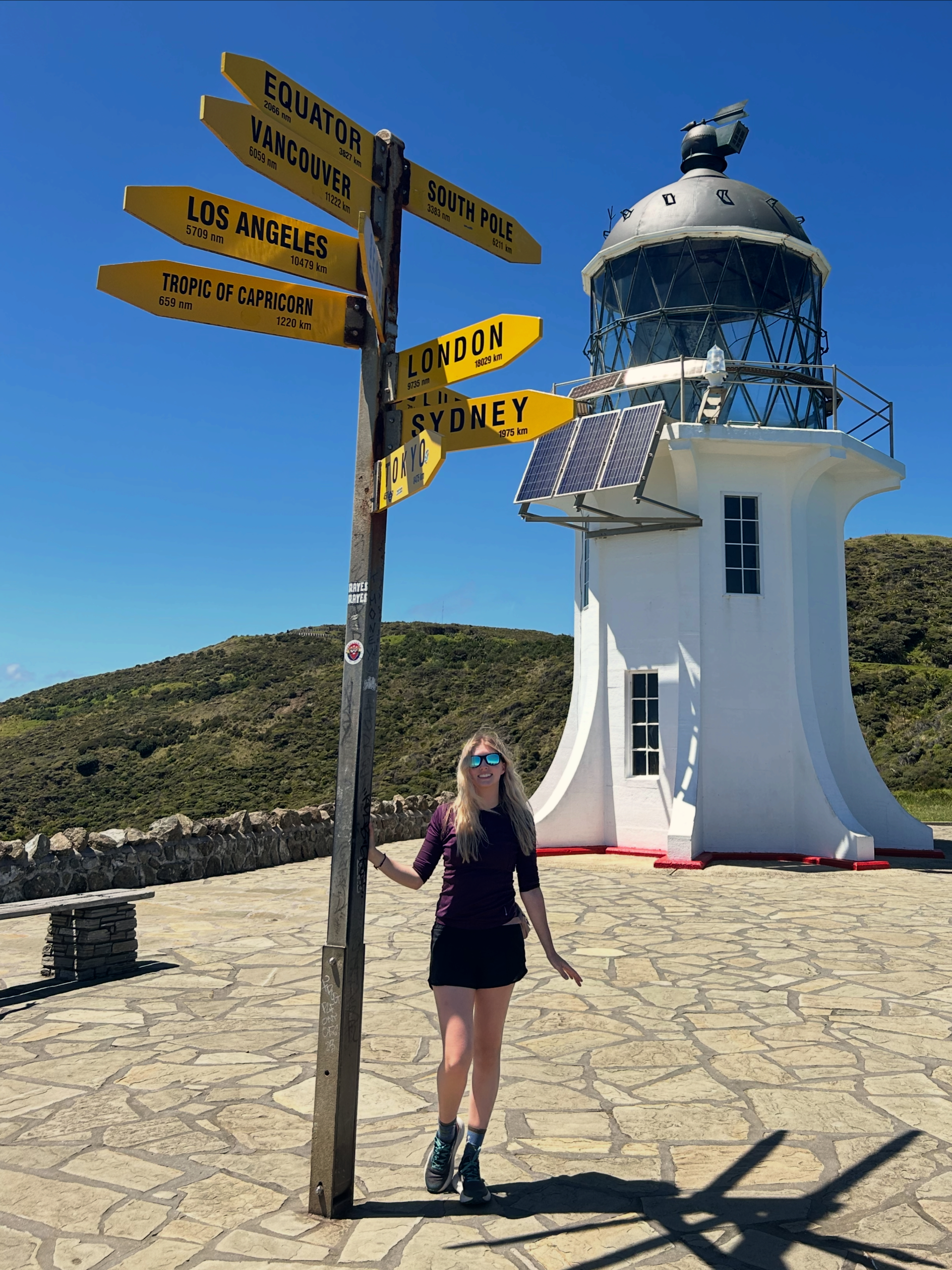
Starting a thru-hike can feel daunting. Unless you’ve completed a thru-hike before, chances are it’s the longest you’ll have ever walked, the most consecutive nights you’ll have ever camped, and maybe the first time you’ve spent more than a few days or weeks living out of a backpack. Training helps but the trail will challenge you unexpectedly. Carrying a backpack everyday for hours at a time is a big physical undertaking but you don’t need to extensively train for the Te Araroa Trail to complete it. Those first few days will probably feel like you haven’t trained enough, or in the right way, but each thru-hiker faces their own challenges.
Beach walking – an underrated challenge
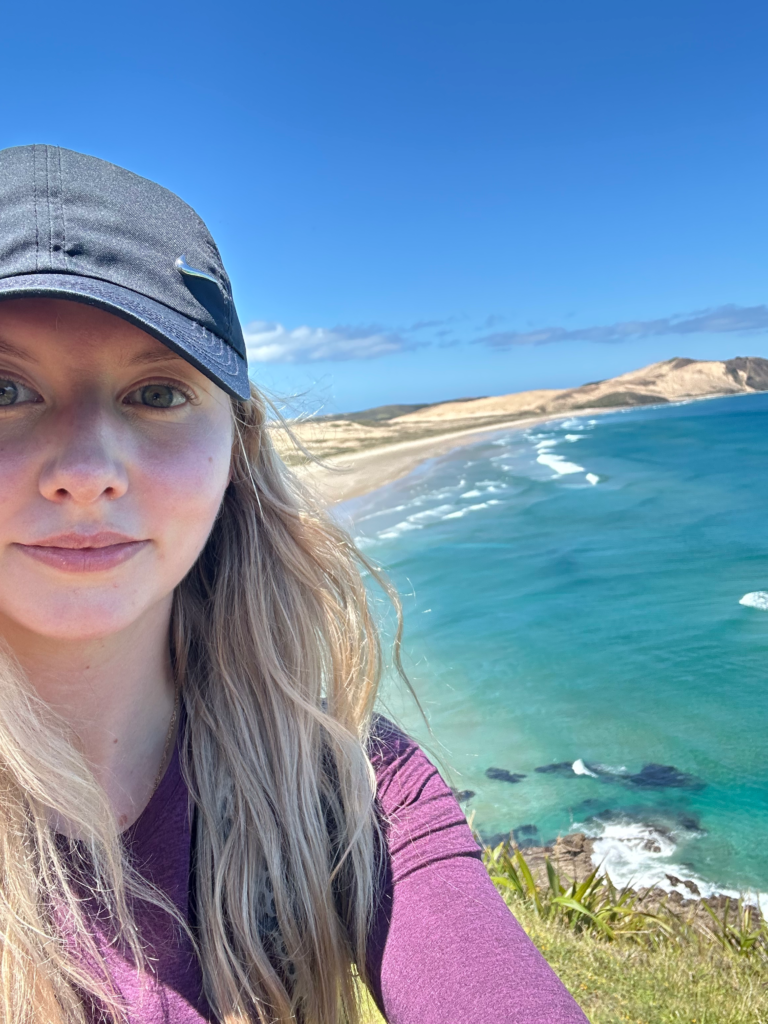
The first three days of the Te Araroa Trail are infamously painful physically and mentally. Stepping out onto the trail, I was greeted with endless blue skies and views out to a sparkling pacific ocean. I ambled along soaking up the atmosphere, the knowledge I had no goal but to reach a distant southern terminus, and the glorious sunshine. This would also prove to be my first rookie error: my sunscreen was about as thickly applied as New Zealand’s ozone layer. By the end of Day One, the backs of my legs were red and blistering. My first tip: Apply and reapply the New Zealand sunscreen and make it SPF50+.
By the third day of beach walking, I had sand in my shoes, in my hair, and in my soul. Crossing unavoidable flowing water each day meant hikers were already comparing blisters and taping up toes. There were few lucky to avoid the blistering pain but I did find out their secrets eventually: training on sand. They had simply spent weeks walking on long beaches back home, building sand-resistant soles prior to ever stepping foot on trail. So, if you can, maybe take some long walks on the beach in the months leading up to your time on Ninety Mile Beach.
Endurance
One thing you’ll experience along the trail is that you get fitter as you walk. Endurance builds and you find you can walk longer and more difficult terrain as you progress. Having done some strength training may help you lift your pack after those big resupplies but the most important thing is endurance. The best thing you can do is practice hiking with a pack. If you’re new to hiking long distances, start with some day hikes, then a weekend with one night of camping, and maybe even build to a shorter multi-day hike. This way you can test your gear and learn what works for you. Hiking these shorter distances meant I knew what types of terrain I was comfortable with and what I needed practice on.
Skills
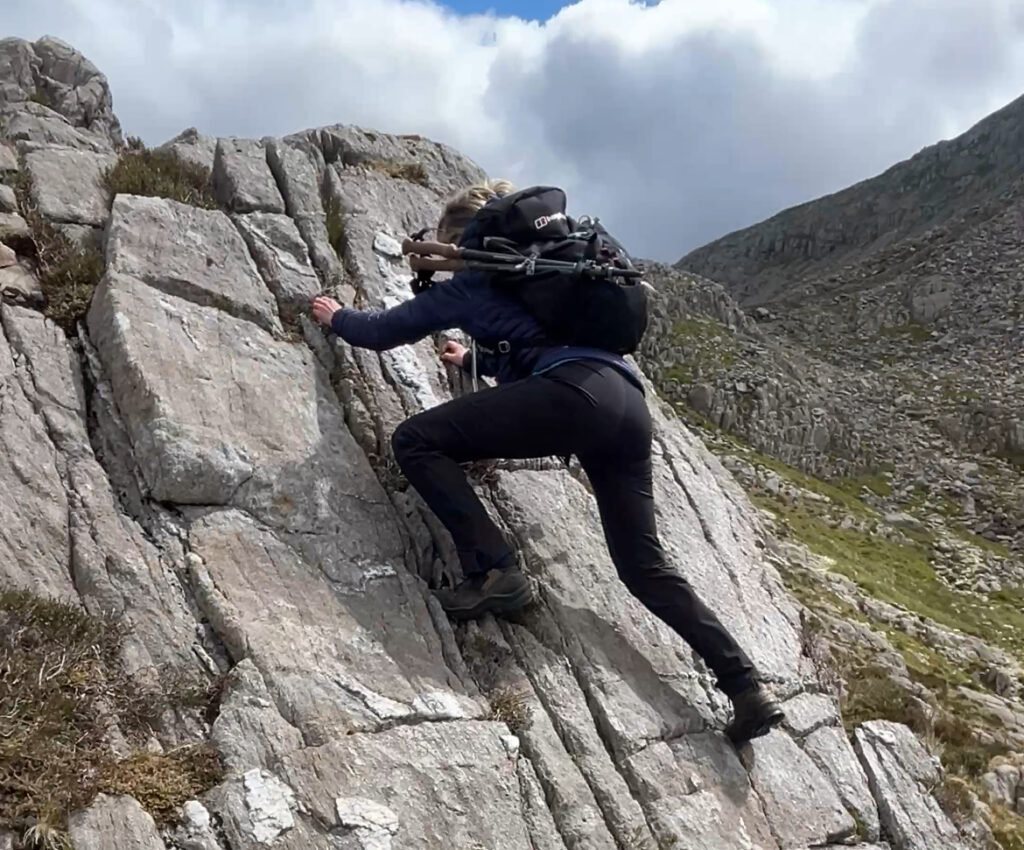
One Scottish January day hike in Torridon was memorable for all the wrong reasons (a story for another day). Since then, it was clear to me that scrambling was not my strong point and I would feel a tight knot in my stomach any time I heard this would be part of thru-hiking in New Zealand. So, a few months before leaving for trail, I headed out for a weekend in Snowdonia, Wales to get some professional help. With the help of a guide, I went from grass-bound and shaky to the mountain goat I needed to be when the South Island boulders appeared.
I also knew there would be river crossings, a feature of New Zealand trekking not so common in the trails I was used to. I learnt what to look for and how to safely cross the rushing waters that criss-crossed the trail.
If there’s one training I would suggest for your Te Araroa adventure, it would be a river crossing course. And if you take nothing else from it, know when to turn back and approach the river another day. For river crossings, there are also lots of specialised options local to New Zealand if you have time between landing and starting your hike.
The guide I used was Snowdonia Adventures. As I had specific skills I wanted to improve, they were happy to provide a one-to-one course tailored to my needs. I would highly recommend them! If you sign up with them, I’d also really recommend staying at the Rocks Hostel in Plas Curig. This was my favourite hostel in the UK so far, with beautiful views out to the mountains, clean dorms that feel private, and yoga mats you are free to borrow.
The takeaway
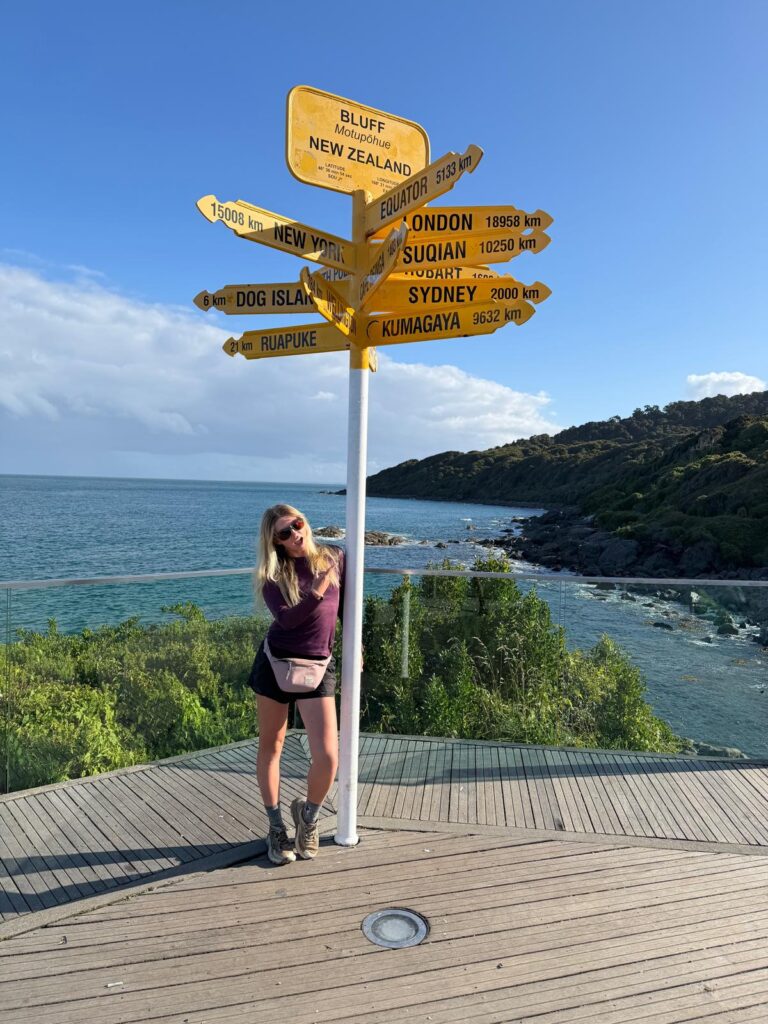
In the end, this trail will challenge you no matter how fit or experienced you are and you’ll meet people of all fitness levels and experience. Consecutive days carrying a backpack along roads, beaches and, often badly maintained, trail is tough but also rewarding. You’ll be glad for the practice you’ve had but once you’ve started, your body will adapt and you’ll learn from others. In my experience, no matter how much you train for the Te Araroa Trail the only time you feel really prepared for the Te Araroa is the moment you’ve taken those final steps toward the end terminus.

Leave a Reply